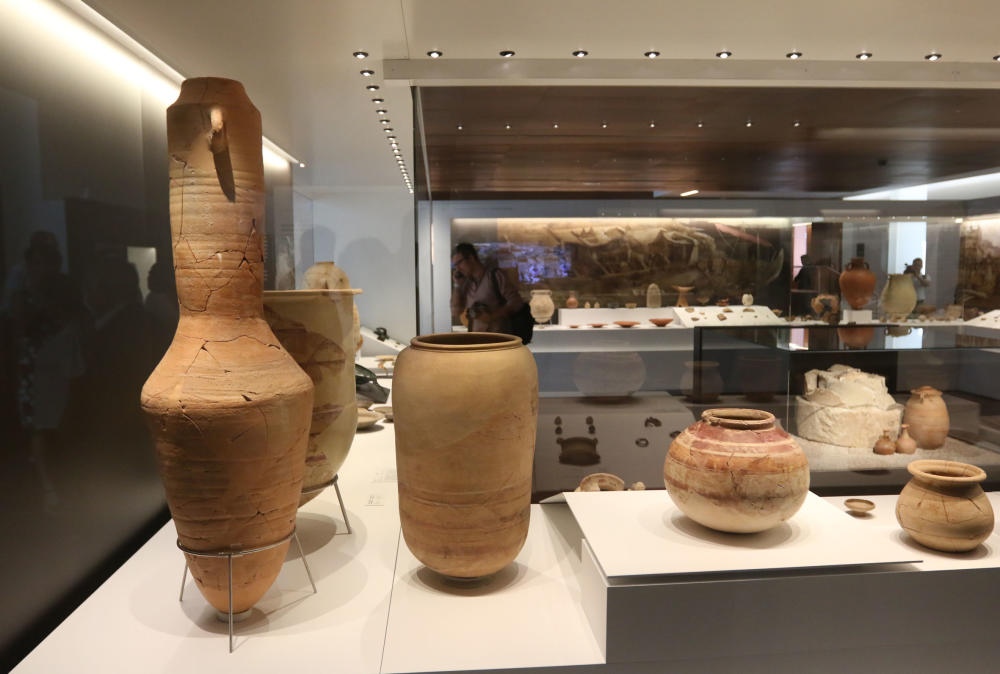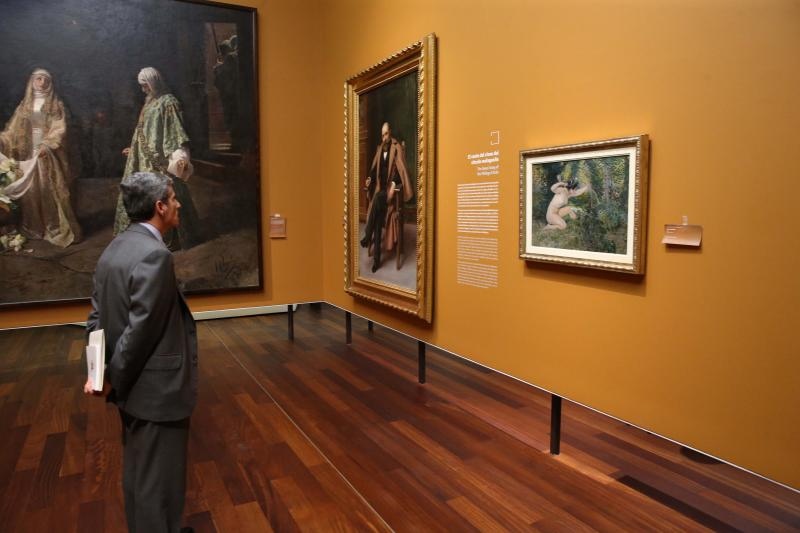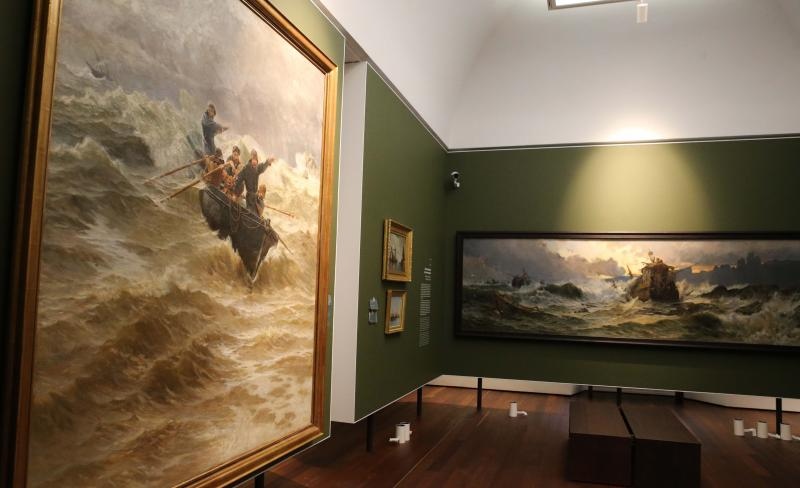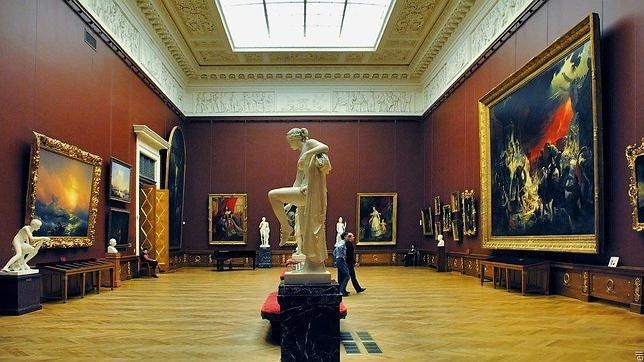
The Malaga Museum is a state institution managed by the Junta de Andalucía, the result of the administrative union in 1972 of two old provincial museums: The Museum of Fine Arts and the Archaeological Museum. It has more than 15,000 archeology backgrounds and an extensive art collection of 2000 works from the 15th century to contemporary art. It is one of the largest provincial museums in Spain and Andalusia.
In recent decades, pieces from the excavations carried out by the University of Malaga have been incorporated. In the same way, several lots have been deposited from the abundant preventive and emergency archaeological interventions that have been developed in the urban area of Malaga in the last 20 years.
The archeology collection, organized in seven thematic blocks, stands out in singular pieces such as the Lorinigiana collection, the Neanderthal skeletal remains of Zafarraya, the lithic collections of Nerja, the trousseau of the Dolmens, the Phoenician tombs of Chorreras or Calle Refino, the Roman mosaic of the Birth of Venus from Cártama or the medieval tombstones and medieval woods of the Alcazaba.